Sun exposure is a normal part of everyday life, especially in a sunny climate like Dubai. However, repeated exposure to ultraviolet (UV) radiation can gradually affect the skin’s appearance and texture. Over time, this may contribute to pigmentation, uneven skin tone, fine lines, rough texture, dullness and visible signs of premature ageing.
The good news is that modern aesthetic treatments can help improve many of these concerns. Depending on your skin type, the degree of sun damage and your individual goals, a qualified aesthetic professional may recommend treatments such as chemical peels, laser procedures, microneedling, professional facials or other skin-rejuvenation approaches.
At Renew & Revive Polyclinic, the focus is on creating personalised treatment plans designed around your skin’s individual needs. You can explore the clinic’s services and aesthetic treatments through the Renew & Revive Polyclinic website.
What Is Sun Damage?
Sun damage refers to changes in the skin caused primarily by ultraviolet radiation from the sun. UV exposure can affect the skin at different levels, and the effects may become more noticeable with repeated or prolonged exposure.
Some common visible signs include:
- Uneven skin tone
- Dark spots and pigmentation
- Freckles and sun spots
- Dull-looking skin
- Rough or uneven texture
- Fine lines and wrinkles
- Loss of skin elasticity
- Redness or sensitivity
- Premature-looking ageing
It is important to distinguish temporary sunburn from longer-term sun damage. Sunburn is an acute reaction to excessive UV exposure, while cumulative sun exposure can contribute to longer-lasting changes in the skin.
If the skin is currently burned, painful, blistered or peeling significantly, aesthetic procedures should generally be postponed until the skin has recovered. A professional assessment can help determine when treatment is appropriate.
Why Does Sun Exposure Cause Pigmentation?
When the skin is exposed to UV radiation, it increases melanin production as part of its natural protective response. Melanin is the pigment responsible for skin colour.
Repeated UV exposure can lead to areas where pigmentation becomes more noticeable or uneven. This may appear as dark spots, patches or an overall uneven complexion.
Sun exposure can also make existing pigmentation more visible. This is why protecting the skin from UV radiation is an important part of managing pigmentation and maintaining the results of aesthetic treatments.
1. Chemical Peels for Sun-Damaged Skin
Chemical peels are one of the commonly used aesthetic approaches for improving the appearance of uneven tone and skin texture.
During a chemical peel, a carefully selected solution is applied to the skin to encourage controlled exfoliation. Depending on the formulation and strength, peels can work at different depths.
A professionally selected peel may help improve the appearance of:
- Dull skin
- Uneven pigmentation
- Mild sun spots
- Uneven texture
- Fine lines
- Rough-looking skin
Different types of peels are suitable for different skin concerns. The choice should depend on factors such as skin type, pigmentation, sensitivity and treatment goals.
A consultation is particularly important for people with darker skin tones because inappropriate treatment selection or excessive irritation may increase the risk of post-inflammatory pigmentation.
2. Laser Treatments for Sun Damage
Laser-based treatments can be used to target several visible signs of sun damage. Depending on the technology used, laser treatments may address pigmentation, uneven texture, redness or other signs of skin ageing.
Certain laser procedures work by delivering controlled energy to targeted areas of the skin. Others stimulate the skin’s natural rejuvenation processes.
Potential benefits can include improving the appearance of:
- Sun spots
- Uneven pigmentation
- Skin texture
- Fine lines
- Dull complexion
- Certain signs of photoaging
However, laser treatment is not one-size-fits-all. The appropriate technology, settings and treatment plan depend on the individual.
Skin assessment is especially important before laser treatment. Factors such as recent tanning, active irritation, medications, pigmentation history and skin type may influence whether a particular procedure is suitable.
3. Microneedling
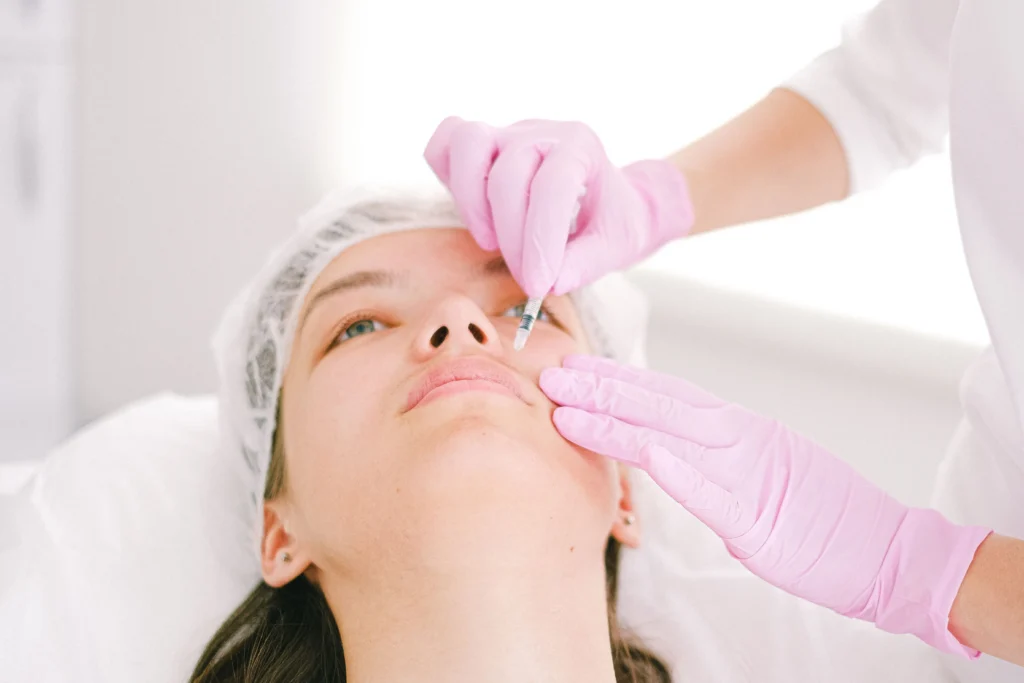
Microneedling is another popular skin-rejuvenation treatment. It uses very fine needles to create controlled micro-injuries in the skin, stimulating the body’s natural healing response.
This process can encourage the production of collagen and may help improve the appearance of:
- Uneven texture
- Fine lines
- Enlarged pores
- Certain types of pigmentation
- Acne scars
- Dull-looking skin
Microneedling can be particularly useful when sun exposure has contributed not only to pigmentation but also to changes in skin texture.
The treatment should be performed using appropriate techniques and sterile equipment. Your provider can determine whether microneedling is appropriate based on your skin condition and treatment objectives.
4. Professional Facials
Not every person with sun-damaged skin needs an intensive procedure. Sometimes, a professionally selected facial can be an appropriate part of a skin-maintenance or recovery plan.
Professional facials can incorporate cleansing, exfoliation, hydration and other skin-supportive techniques depending on the treatment.
They may help skin appear:
- Fresher
- More hydrated
- Smoother
- Brighter
- More refreshed
However, a facial should not be considered a replacement for medical evaluation when someone has significant sunburn, persistent pigmentation or other concerning skin changes.
If the skin is irritated after excessive sun exposure, aggressive exfoliation may make the situation worse. Gentle, appropriate care is generally more suitable until the skin barrier has recovered.
5. Skin Rejuvenation Treatments
Modern aesthetic clinics may offer a range of skin-rejuvenation treatments designed to improve the overall appearance and quality of the skin.
Rather than focusing on just one symptom, a personalised rejuvenation plan may address multiple concerns simultaneously, such as pigmentation, texture, fine lines and loss of radiance.
The advantage of a personalised approach is that treatment can be adjusted according to your skin’s condition rather than following a standard procedure for everyone.
For example, someone mainly concerned about pigmentation may require a different treatment strategy from someone whose primary concern is rough texture and fine lines.
Can Aesthetic Treatments Completely Reverse Sun Damage?
Aesthetic treatments can significantly improve the appearance of many signs associated with sun exposure, but they should not be described as completely reversing all sun damage.
Results depend on factors including:
- The extent of sun exposure
- Skin type
- Age
- Pigmentation tendency
- Lifestyle
- Existing skin conditions
- Treatment selected
- Number of sessions
- Aftercare
- Ongoing sun protection
Some concerns may improve considerably, while others may require ongoing maintenance.
The goal is usually to achieve healthier-looking, more even and rejuvenated skin while reducing further damage through good daily skincare and sun protection.
How Many Treatments Will You Need?
There is no universal number of sessions for sun-damaged skin.
Some people may notice an improvement after one treatment, while others may require a series of sessions to achieve their desired outcome. The treatment schedule depends on the procedure, skin condition and individual response.
Your aesthetic professional can recommend an appropriate treatment plan after assessing your skin.
It is also important not to rush treatments. Giving the skin sufficient time to recover between procedures can be an important part of achieving safe and consistent results.
Sun Protection Is Essential
Aesthetic treatment should never be viewed as a substitute for sun protection.
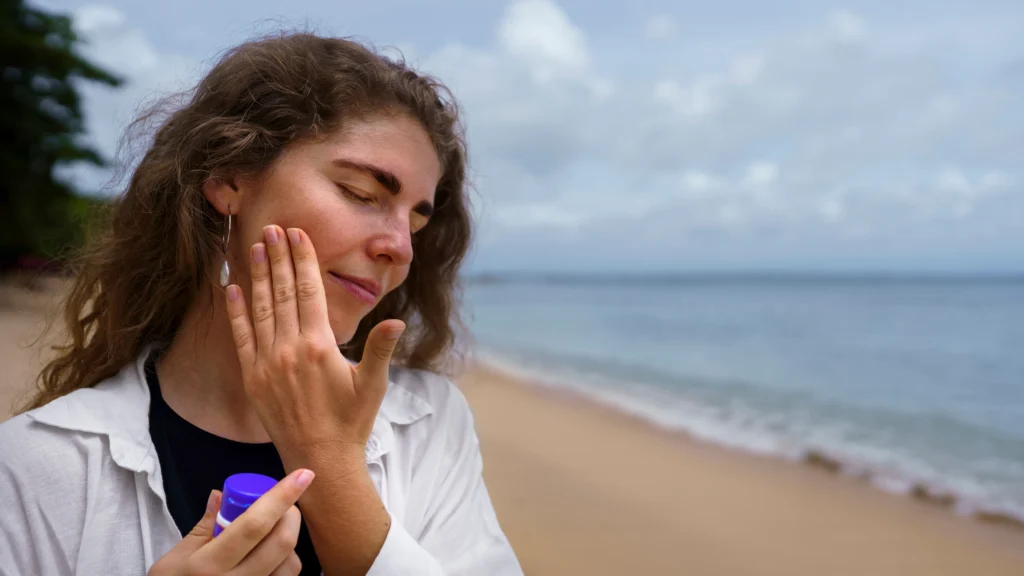
Daily UV protection is one of the most important steps you can take to help prevent further sun-related skin changes. Consider using a broad-spectrum sunscreen with SPF 30 or higher, applying an adequate amount and reapplying as appropriate, particularly when spending time outdoors.
Additional protective measures include:
- Wearing a wide-brimmed hat
- Seeking shade when UV levels are high
- Wearing protective clothing
- Limiting prolonged direct sun exposure
- Using sunglasses
- Avoiding intentional tanning
Sun protection is especially important after many aesthetic procedures because treated skin may be more sensitive to sunlight.
When Should You Avoid Aesthetic Treatment?
If you have an active sunburn, it is generally not the right time to undergo an aggressive aesthetic procedure.
Signs of significant sunburn can include:
- Intense redness
- Pain or tenderness
- Swelling
- Blistering
- Significant peeling
- Increased skin sensitivity
Allow the skin to recover and speak with a qualified professional before scheduling an aesthetic procedure.
If you notice unusual, persistent or changing pigmentation or a skin lesion that concerns you, seek evaluation from an appropriately qualified healthcare professional rather than assuming it is simply sun damage.
Choosing the Right Treatment for Your Skin
The best aesthetic treatment for sun-damaged skin isn’t necessarily the most intensive treatment. It is the one that is appropriate for your specific skin condition and goals.
A professional consultation can help determine:
- What type of sun-related skin concern you have
- Whether your skin is currently suitable for treatment
- Which procedure may be appropriate
- How many sessions may be required
- What aftercare is needed
- How to protect your results
At Renew & Revive Polyclinic, a personalised approach can help you explore suitable aesthetic and skin-rejuvenation options based on your individual concerns.
Learn more about available treatments and book a consultation through renewandrevivepolyclinic.com.
Final Thoughts
Sun exposure can gradually affect the skin, resulting in pigmentation, uneven tone, rough texture, fine lines and a dull appearance. Fortunately, a variety of modern aesthetic treatments can help improve these visible concerns.
Chemical peels, laser treatments, microneedling, professional facials and skin-rejuvenation procedures may all have a role depending on the individual.
The most important step is to avoid choosing a treatment simply because it is popular. Your skin type, pigmentation, current condition and goals should guide the treatment decision.
And remember: protecting your skin from further UV exposure is just as important as treating existing signs of sun damage.
For personalised aesthetic and skin-rejuvenation care in Dubai, visit Renew & Revive Polyclinic and explore the available treatment options.
Renew & Revive Polyclinic 1130 Al Wasl Road, Umm Suqeim 2, Jumeirah, Dubai
+971 50 343 0975
https://renewrevivepolyclinic.com/